
You cannot outwork a complexity problem.
Most consulting engagements begin with a massive audit and end with a heavy binder of recommendations. We call that "advisory theatre." It leaves the CEO with a list of new tasks but no extra capacity to execute them.
At Protea, we start with diagnosis rather than a predetermined solution. We are your partner in finding and closing the coordination gap.
Our methodology is built on a simple belief: the business needs to be able to absorb the complexity that growth creates. Finance is one important lens into that condition, but the diagnosis has to include the whole business. We look at how decisions, information, work, and accountability actually move through your business, and use what we find to redesign it, not just report on it.
When growth outpaces the way a business works, we do not start by prescribing a new system, adding management layers or handing the CEO a list of recommendations. We work with you through a deliberate progression to understand the condition, remove unnecessary friction, increase the business’s capacity, and help it absorb what comes next.
STAGE 1:
Focus: Recognize that the business has changed, that the current way of working may no longer be keeping up, and find where the business is losing time, clarity, capacity, profit and cash.
If pressure is high, you cannot afford to guess, and you cannot redesign the business while it is still on fire. Before we make any changes, we secure the present, and focus on rapid triage so you can make decisions deliberately rather than reactively.
Growth doesn't announce when the old way of working stops being enough. The signs appear gradually: more decisions back to the CEO, more exceptions, conflicting information, slower handoffs, tighter cash, declining margins or a business that simply feels heavier than it should.
The visible problem is not always where it starts. A cash problem may begin in operations. A reporting problem may begin with information flow. A people problem may actually be a decision problem. We look across the business to understand how the pieces interact.

STAGE 2:
Focus: Remove friction rather than asking people to work harder around it.
Not every complexity must be removed. Some is created by outdated processes, unclear responsibilities, duplicated work, unnecessary approvals, conflicting information or decisions that have never been properly assigned.
If cash was tight despite strong sales, the real cause is almost never finance. If you have conflicting information sources or teams seemingly not working together look at your underlying architecture.
We use your financial data with operational evidence to pinpoint the exact workflows, decision pathways, and boundaries that are either draining or benefiting your resources.

STAGE 3:
Focus: Make the business better able to handle what growth demands.
Removing friction is only part of the answer. As the business grows, its capacity must grow too. That may mean strengthening management practices, improving information, clarifying accountability, developing decision capability, improving financial visibility, or building processes that can handle greater volume and interdependence.
Growth creates new complexity. The goal is not to eliminate complexity or create a perfect system that never changes. It is to build a business capable of recognizing when its way of working needs to evolve and responding before complexity becomes chaos.
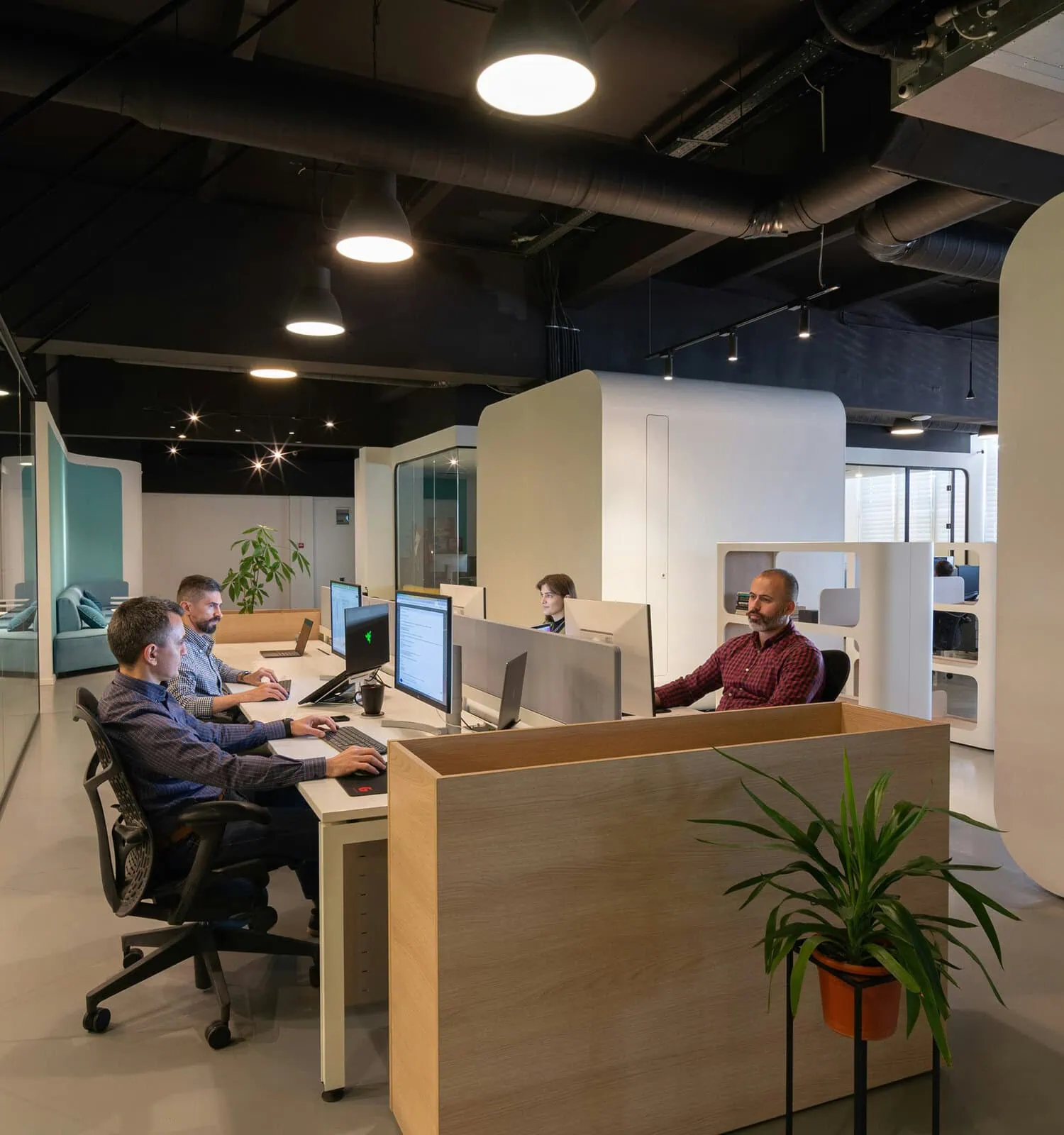
We do not start with a predetermined solution and ask you to fit the business around it. We work with you to understand what is actually happening, identify what matters most, and make the changes the business needs.
You work directly with experienced senior leadership. There is no handoff to a junior team to interpret the business.
We do more than identify problems. Where appropriate we help implement the changes, build the tools, clarify responsibilities, and work through the practical issues that determine whether a change will stick.
The pace matters. Changes need to be achievable alongside the demands of running the business, not become another source of pressure.
You do not need to know exactly where your business has crossed the Complexity Threshold.
If you know that growth has made the business harder to run, we can help you find out why.